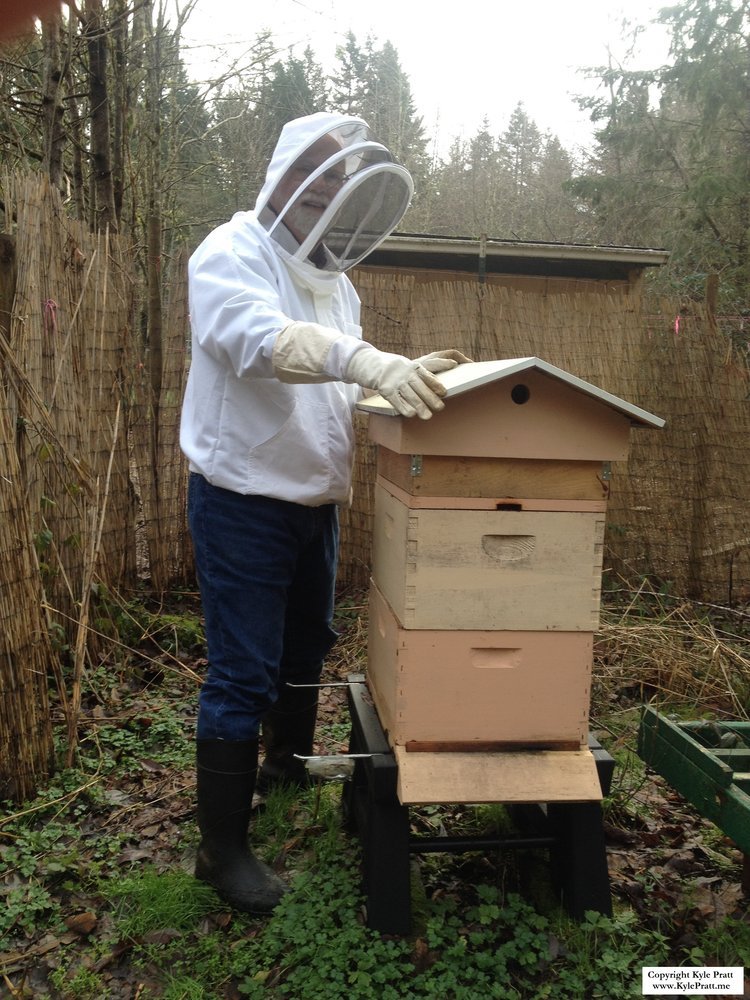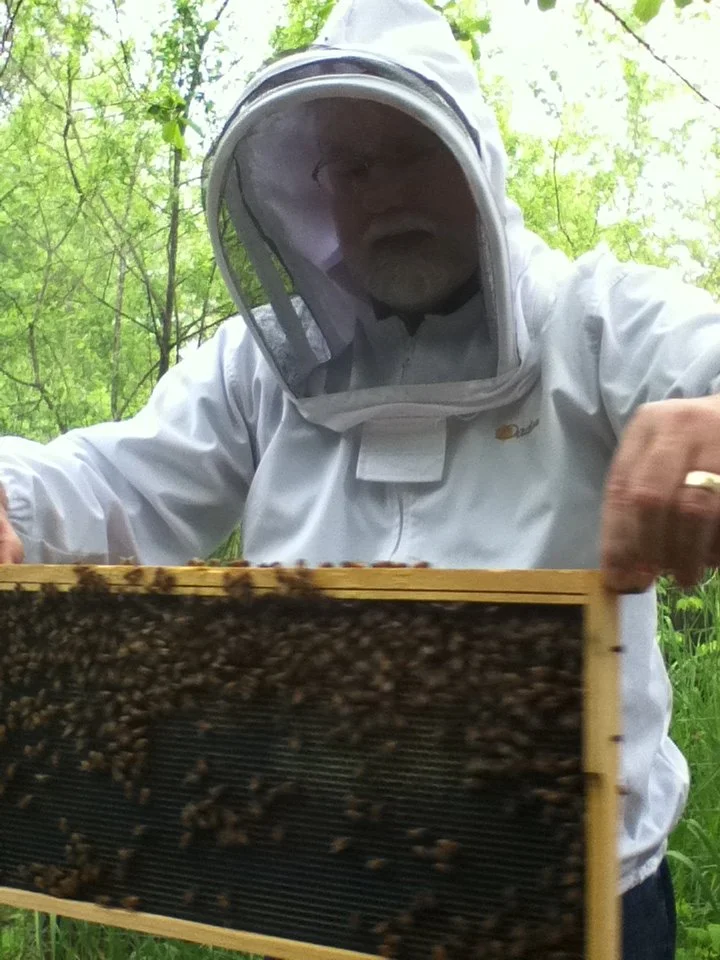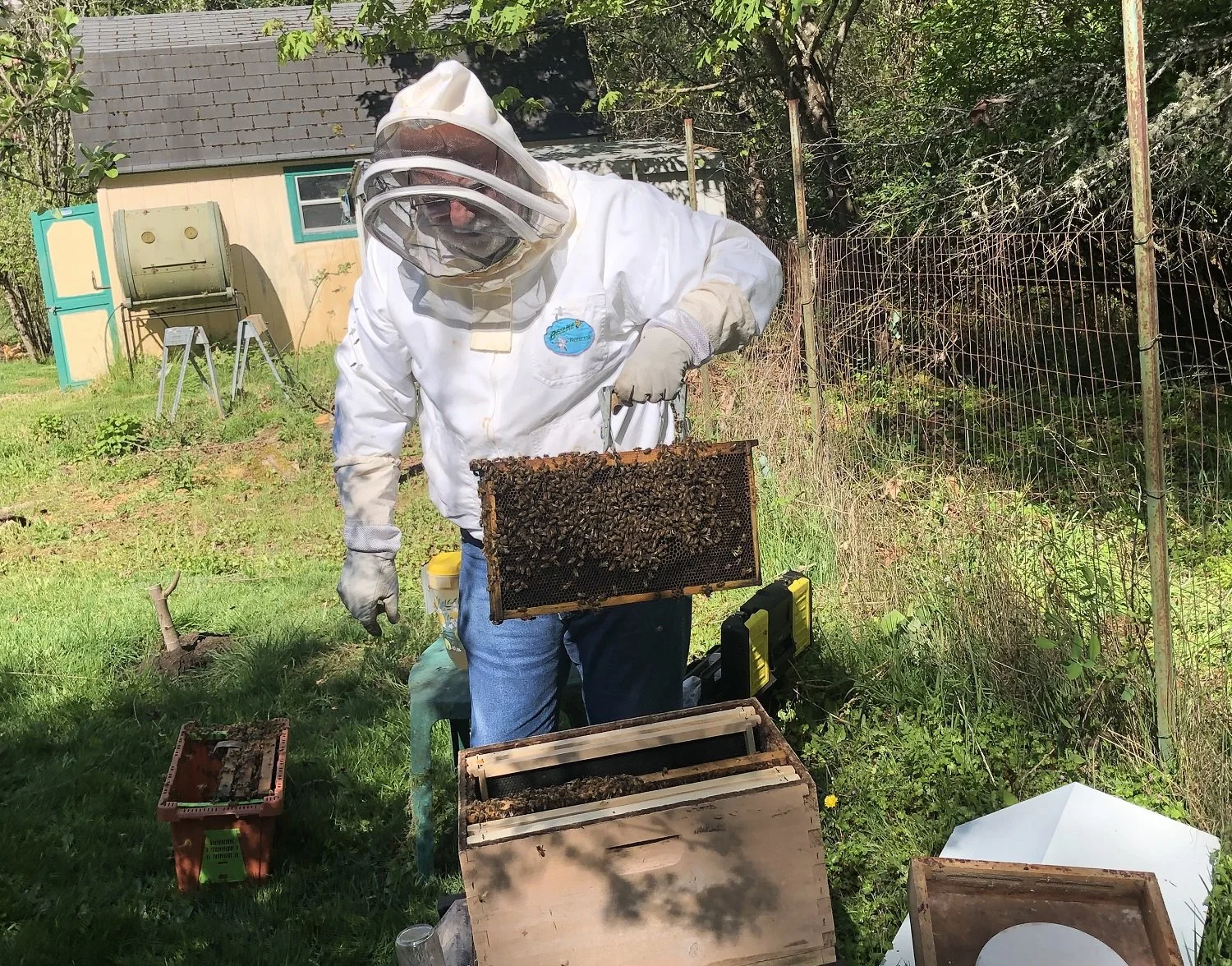
I live in the Pacific Northwest, and right now the seasons are changing. Winter is a time of short days, long nights, and steady cold rain. But in the spring, the rains ease off and the days begin to warm. This is the time of year when I can sit outside, watch the chickens wander like they own the place, and take in the deer, rabbits, squirrels, chipmunks, and flocks of birds that share the property with me. This year, I decided to add one more group to the mix—I introduced a hive of bees.
Read MoreWhen you live on a farm, work changes with the seasons.
Winter is a time of rest, for the soil, animals, and people, but not for bees. They collect together and vibrate to keep the queen and brood warm, but all too often, they don’t survive the cold and damp of winter. Despite my efforts in the fall, my two colonies didn’t endure the harsh short days of winter.
Read MoreMy bees have survived winter – at least so far.
A few days ago the temperature rose into the low fifties. Between rain showers, I hurried out to inspect both of my hives. I didn’t have to open them to know the most important news, as of that day in late January both colonies had survived the winter.
Read MoreSpring is bee time on the farm.
We prefer driving to the delivery site in the farm truck. We can put the bee boxes on the truck bed and drive home, but because today was so inclement we took the car for the forty-minute drive. Have you ever driven with ten thousand bees in your car? Our bees were inside two boxes, but it was still an experience. Some always find a way out.
Read MoreWe had a week of cold and snow on the farm.
The weather made for some beautiful pictures, which you can see on the Facebook page, but it got very cold. On a mild day this week, my wife came in from outside and said, “There’s no activity in the apiary.”
Living close to nature means that there are annual chores that must be performed.
On a sunny day last week, I took some time off from writing and prepared the farm for winter. I opened the one beehive we have this year and made sure the colony was healthy. The workers had sealed every crevice and joint with propolis, a good sign. I added a special insulation box to the top and slid in a bottom board. Winter is a hard time for bees, but the colony is now as ready as it can be.
Read MoreThe honey harvest this year was very good.
We have only two hives on our small farm, but even so, the harvest takes nearly all day. After breakfast, we set up the equipment, including our honey extractor (basically an antique hand-crank centrifuge), stainless steel buckets, a couple of food-grade plastic pails, strainers, and assorted tools.
Read MoreSpring is a busy time for the beekeeper.
I only had one bee colony that survived the winter and I have been feeding them a sugar-water syrup for a few weeks. Thursday night my new colony of bees arrived.
Read MoreSpringtime brings extra chores for those living on a farm.
Normally, I keep two bee colonies, but only one survived the winter. On a warm day earlier this month, I opened the remaining hive to check on the colony. I try to find the queen…
Read MoreSpring is a busy time for bees and beekeepers.
For most of the country, this winter has been snowy and cold, but in western Washington state, the weather has been mild. As a beekeeper, this is both a blessing and a problem.
Read MoreI don’t just write survival or prepper-themed books, I live the life.
Many of the people who aren’t involved in prepping think of those who are as crazy. I think of prepping as insurance against unforeseen problems. Where I live in Lewis County, Washington state, it can flood this time of year. During winter storms the power can go out. I like knowing that I’m prepared.
Read More